Gold Jewellery in Dubai and the UAE – Prices, Karats and Designs
Gold jewellery is what most people come to Dubai for, whether it is a 21K bangle for Eid, a 22K bridal set before a wedding in Kerala, a plain chain for a newborn or an 18K ring with a diamond. This section explains how every piece in a UAE shop is priced, what each karat looks and feels like, how to read the hallmark, and where the big jewellers and small workshops differ. Below you will find a page for each type of jewellery with its live price per gram and the designs you are likely to see.
-
 Gold Ring Price in Dubai – What a 22K, 21K or 18K Ring Really Costs
Gold ring price in Dubai and the UAE: typical weights for ladies' and men's rings, the weight × rate + making charge formula, 22K vs 21K vs 18K rings.
-
 Gold Chain Price in Dubai – 22K Chains for Men and Women by Weight
Gold chain price in Dubai: what 10 g, 20 g and 50 g chains cost by karat, rope, Figaro, box and Cuban designs, hollow vs solid gold, and making charges.
-
 Gold Necklace Price in Dubai – 22K Necklace Sets, Chokers and Pendants
Gold necklace price in Dubai and the UAE: how 22K necklace sets are priced by weight, bridal sets, chokers, pendants, stone-set vs plain, regional styles.
-
 Gold Bracelets and Bangles in Dubai – Prices by Weight, Sizes and Styles
Gold bracelet and bangle prices in Dubai: 22K Indian and 21K Emirati bangles, men's bracelets, anklets, kada, sets of 4 or 6, sizing and making charges.
-
 Gold Earrings in Dubai – Studs, Hoops, Jhumkas and Nose Pins by Weight
Ladies' gold earrings in Dubai: studs, hoops, jhumkas, nose pins and kids' earrings, 18K vs 22K, screw-back vs push-back, typical 1–10 g weights, prices.
-
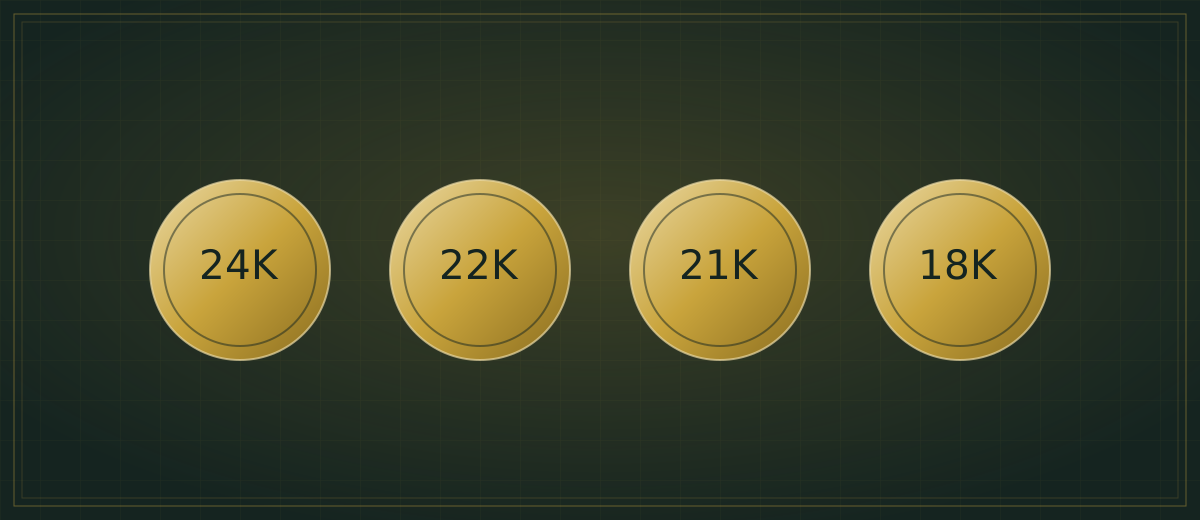 Gold Karats Explained: 24K vs 22K vs 21K vs 18K (999, 916, 875, 750) in the UAE
What 24K, 22K, 21K and 18K gold mean, what the 999, 916, 875 and 750 stamps tell you, which karat suits which jewellery, and how each is priced in the UAE.
-
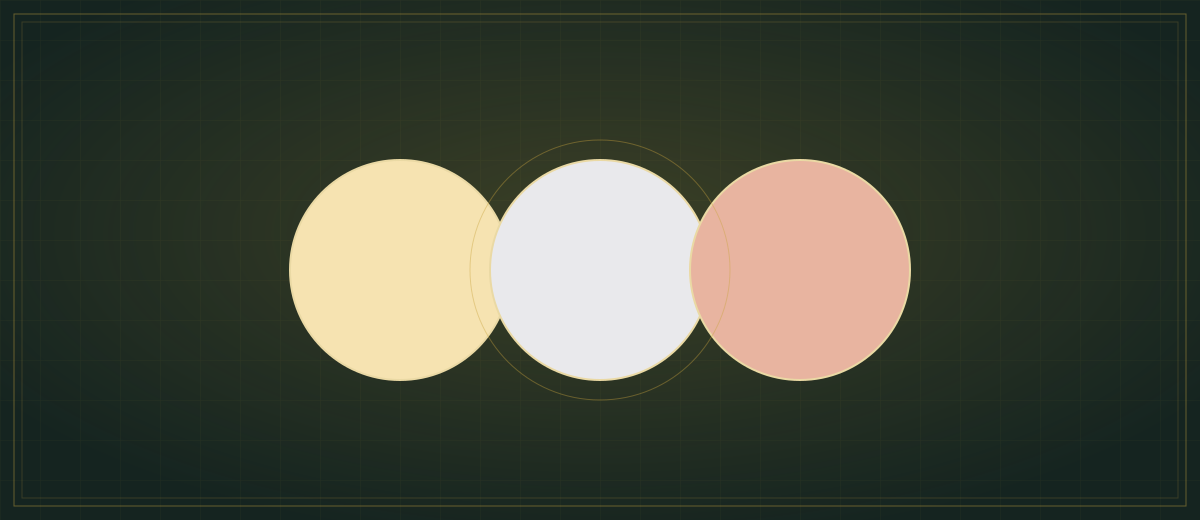 White Gold, Rose Gold, Black Gold and Champagne Gold: What They Are and What They Cost in Dubai
White gold, rose gold, black gold and champagne gold explained: alloys, rhodium plating, allergies, care, what to check on the stamp and prices in Dubai.
-
 Best Gold Jewellers in the UAE – Malabar, Joyalukkas, Damas and the Big Chains Compared
Best gold shops in Dubai and the UAE: Malabar Gold, Joyalukkas, Damas, Pure Gold, Al Romaizan and Kalyan compared. Why the rate is the same, what differs.
-
 Gold Hallmarks and Purity Checks in the UAE – 916, 875, 750 Stamps and How to Test Gold
Gold hallmarks in the UAE explained: what 999, 916, 875 and 750 mean, Dubai conformity marks, the Indian BIS stamp, XRF testing and home purity tests.
How gold jewellery is priced in Dubai
Every jeweller in the UAE builds the price of a piece the same way, and once you know the formula you can judge any quote in seconds. The metal value is the weight in grams multiplied by today's rate for that karat, which is published daily and shown on the board at the door. The making charge is added for the labour and design, quoted per gram or as a percentage of the metal. Stones, if any, are priced separately. Finally 5% VAT is applied to the whole invoice.
| Line | How it is calculated | Negotiable? |
|---|---|---|
| Metal | Grams × today's karat rate | No, same in every shop |
| Making charge | Per gram or % of metal value | Yes, especially in the souk |
| Stones | Priced by the piece | Sometimes |
| VAT | 5% of the total | No; refundable to tourists |
Ask for this breakdown before you decide. The making charges guide explains what is reasonable for each type of work, and the calculator gives the metal value for any weight.
Rings, chains, necklaces, bangles and earrings
Each kind of jewellery has its own page with a live price strip, typical weights and the designs popular in the UAE:
- Gold ring price in Dubai – from 1 g bands to men's signet rings, in 22K, 21K, 18K and white gold.
- Gold chain price in Dubai – rope, Cuban, box and Singapore chains for men and women, usually quoted per 10 g.
- Gold necklace and sets – chokers, pendants and full 22K bridal sets with matching earrings.
- Gold bracelets and bangles – the heaviest everyday pieces, sold singly or in pairs and sets of four or six.
- Gold earrings – studs, hoops, jhumkas and nose pins, often the lightest and cheapest way into gold.
Weights matter more than designs for the bill. A plain 10 g chain and an ornate 10 g chain contain the same metal; the difference in price is entirely the making charge.
Karats and colours: what to expect from 24K to 18K
Karat decides both the price per gram and how the piece behaves. Gold karats explained goes into detail; the short version is below.
- 24K (999) – pure, soft and very yellow. Rarely used for wearable jewellery in the UAE; some Chinese-style pieces and most bars and coins.
- 22K (916) – the Indian and Pakistani standard. Rich colour, slightly soft, ideal for bangles and sets that are worn on occasions.
- 21K (875) – the Gulf and Arab favourite. Harder than 22K, deep yellow, suits everyday wear and the bold Emirati, Saudi and Egyptian designs.
- 18K (750) – the choice for diamond-set, Italian and branded jewellery, and the base for white and rose gold.
Colour is a separate question from karat. White, rose and black gold explains that these are alloys of the same metal: white gold is gold with palladium or nickel and a rhodium plating, rose gold has more copper, and "black gold" is a surface treatment. The gold content, and therefore the resale value, follows the karat stamp, not the colour.
Checking the hallmark and buying with confidence
Dubai's reputation rests on purity you can trust, but it still pays to check. Every piece should carry a purity stamp (999, 916, 875 or 750) and usually the maker's mark, and the invoice should repeat the karat and weight. Gold hallmark and purity check shows where to find the stamp on rings, chains and bangles, what the shop's electronic tester and fire assay do, how to spot gold-plated or hollow pieces, and where to get an independent test if you bought second-hand.
Buying from a licensed shop with a rate board at the door and a printed invoice is the simplest protection. The how to buy gold in Dubai guide covers the rest of the process, including card payments, exchange policies and the tourist VAT refund.
Where to buy: jewellers, souks and online
The UAE market runs from single-counter workshops in the Deira Gold Souk to national chains with branches in every mall. Best gold jewellers in the UAE compares the large names, what each is known for, their exchange and buy-back policies and how their making charges tend to compare with the souk. The souks and markets section covers the physical places, from the Gold & Diamond Park on Sheikh Zayed Road to Sharjah and Ajman.
Online shopping for 22K jewellery has grown fast in the UAE; the big jewellers now deliver from their websites at the same daily rate, which is convenient for a gift but removes the chance to feel the weight and negotiate. For an expensive set, many residents browse online and then buy in the shop, where the making charge is open to discussion and the hallmark can be checked on the spot.
Words you will hear at the counter
A few terms come up in every UAE jeweller, and knowing them makes the conversation faster and the invoice clearer.
- Rate / board rate – today's published price per gram for the karat, the same in every shop.
- Making charge (masna'iya) – the labour and design cost per gram or as a percentage; the negotiable part.
- Wastage – an older way of expressing making charges as extra grams added to the weight; ask for it to be converted into dirhams so you can compare.
- Hallmark / 916 / 875 / 750 – the purity stamp; 916 is 22K, 875 is 21K, 750 is 18K.
- Set (taqm) – necklace, earrings and often a ring or bangles sold together, usually priced by total weight.
- Shabka – the gold given to a bride at an Arab engagement, traditionally 21K and often chosen by weight.
- Tola – 11.6638 g, the unit South Asian customers use for heavy chains and bars.
- Exchange / old gold – trading in existing jewellery at the day's rate against a new purchase.
- Buy-back – the shop's promise to repurchase the piece later at the board rate less a stated deduction; ask for it in writing.
If a term on the invoice is not on this list, ask the salesperson to explain it before paying. A licensed jeweller will do so without hesitation, and the buying guide shows what a complete invoice should look like.
Frequently asked questions
How much does gold jewellery cost in Dubai per gram?
The metal is charged at today's published rate for the karat (see the live strip at the top of this page), and then a making charge and 5% VAT are added. For a plain 22K or 21K piece the making charge is often a modest percentage of the metal value; intricate or branded work costs considerably more per gram.
Which karat is best for everyday jewellery in the UAE?
21K is the most common choice for Arab families because it is harder than 22K and keeps a deep yellow colour; 22K is preferred by Indian and Pakistani buyers for traditional sets; 18K is best for rings worn daily and for anything set with diamonds. All three hold their metal value on resale.
Is white gold cheaper than yellow gold?
Not for the metal. White gold is usually 18K, so its gold content is 75% whatever the colour, and it is priced at the 18K rate. It can look cheaper than a 22K yellow piece simply because 18K contains less gold per gram; the rhodium plating and finishing may add to the making charge.
Can I exchange old gold jewellery for new in Dubai?
Yes. Most jewellers accept old gold at the day's rate for its karat, deducting a small margin and any stones, and credit the value against a new purchase. Making charges on the old piece are not refunded. Hallmarked pieces with an invoice get the best exchange value.