Gold Investment in the UAE – Bars, Coins, Online Trading and ETFs
Residents of the UAE have an unusually easy route into gold: bars and coins of 99% purity or more are zero-rated for VAT, there is no import duty, and Dubai's refiners, bullion dealers and exchanges sit within a short drive of most homes. This section compares the ways to invest in gold from the UAE, from a 1 g bar bought in the souk to online trading accounts, gold stocks and ETFs, and explains the practical questions of storage, resale and taxation. The live spot price above is the benchmark every one of these products follows.
-
 Gold Bar Price in Dubai Today – 1 g to 1 kg Bars and Biscuits
Live gold bar price in Dubai for 1 g, 10 g, 100 g, tola and 1 kg bars: premiums over spot, zero VAT on 24K bars, PAMP and Emirates Gold, where to buy.
-
 Gold Coins in Dubai – Prices, Sizes from 1 g to 1 oz and How to Buy
Gold coin price in Dubai explained: 1 g, 2 g, 4 g, 8 g, 10 g and 1 oz coins, 22K vs 24K, premiums over bars, zero VAT on 99%+ purity, gifting and resale.
-
 Gold Trading Online in Dubai – DGCX, CFDs, Gold Accounts and Digital Gold Explained
How gold trading online works from Dubai: DGCX futures, broker CFDs under SCA or DFSA rules, bank gold accounts, digital gold apps, spreads and leverage.
-
 Gold Stocks, Gold ETFs and Futures for UAE Residents
Gold stocks, ETFs and DGCX gold futures explained for UAE residents: physical vs paper gold, why a gold share differs from gold, brokers, costs and tax.
-
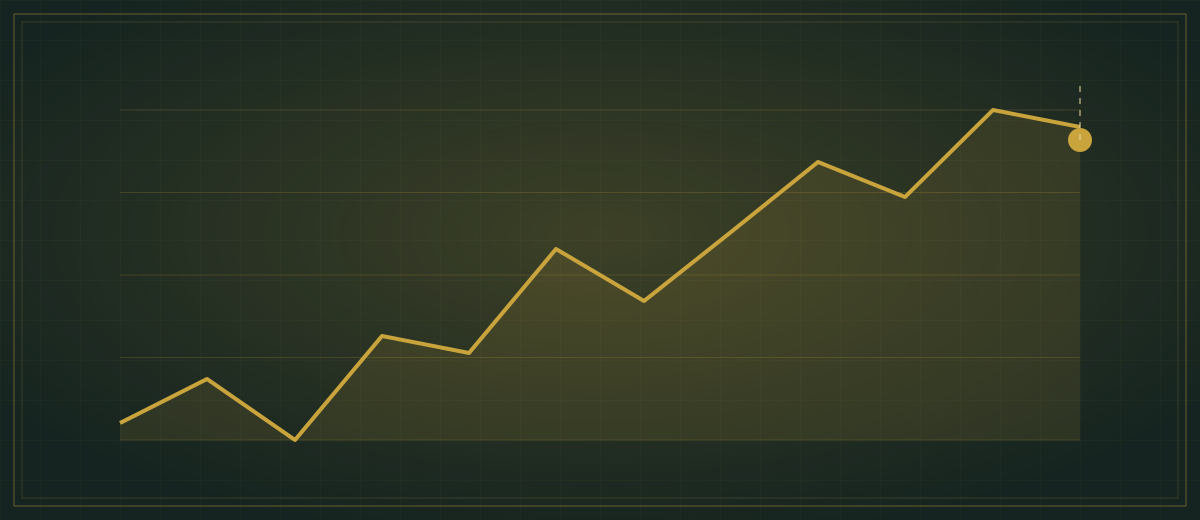 Gold Price Analysis: What Moves the Gold Market, Explained for the UAE
Gold price analysis for the UAE: real interest rates, the dollar, inflation, central banks, ETF flows, jewellery seasons, geopolitics and weekend pricing.
Physical gold: bars and coins in Dubai
The most direct option is to own the metal. Gold bars in Dubai covers the sizes sold in the UAE, from 1 g and 5 g wafers through the popular 10 g, 1 tola and 100 g bars to the 1 kg bar used by serious savers, and explains the premium over spot you pay for refining, packaging and the dealer's margin. Smaller bars carry a higher premium per gram; a 100 g bar from a recognised refiner is typically the point where the premium becomes small. The page also explains assay certificates and why a sealed bar with its serial number is easier to sell back.
Gold coins in Dubai looks at bullion coins and the local sovereign-style and commemorative pieces, how their premiums compare with bars and why some investors prefer coins for gifting and for selling in small amounts. Both bars and coins of 99% purity or more are zero-rated for VAT in the UAE, which makes them cheaper to hold than jewellery of the same weight.
Online gold trading from the UAE
For those who want exposure to the gold price without a safe at home, gold trading online in Dubai explains the main routes: allocated and unallocated gold accounts offered by UAE banks and bullion houses, spot and futures trading through brokers regulated in the UAE, and the local exchange contracts. It covers what to check before opening an account (regulation, custody, spreads, storage fees), the difference between owning gold and owning a claim on gold, and how leverage can turn a modest price move into a large gain or loss.
The spot price in USD and the live chart are the tools most traders keep open; because the dirham is pegged to the dollar, there is no exchange-rate layer between the global price and what a UAE account shows.
Gold stocks, ETFs and funds
Gold can also be held through the stock market. Gold stocks and ETFs in the UAE explains the difference between a physically backed gold ETF, which tracks the metal price, and a gold mining share, which depends on a company's costs and management as well as the price of gold. It lists how UAE residents access international ETFs through local and global brokers, what the ongoing charges are, and why an ETF is simpler for a monthly savings plan while physical gold suits a lump sum you intend to hold for years. The page also touches on gold futures traded in Dubai for those who understand derivatives.
Understanding what moves the gold price
Before committing money it helps to understand why the price changes. Gold price analysis looks at the long-run drivers that historically matter most: real interest rates in the United States, the strength of the dollar, central-bank buying, inflation expectations and periods of geopolitical stress. It explains why gold often rises when real yields fall, why it can drop sharply when the dollar strengthens, and why weekend and holiday prices differ from the Friday close. The UAE price history page shows how these forces have played out in dirhams over the years.
VAT, storage and selling back
Three practical points decide how well a gold investment works in the UAE. First, tax: investment-grade gold of 99% purity or more is zero-rated for VAT, while jewellery and lower-purity pieces carry 5%, so a bar is the tax-efficient form; the VAT on gold guide has the details. Second, storage: a home safe, a bank safe-deposit box or a dealer's vault each have a cost and a risk, and insurance for gold at home is worth checking with your policy. Third, resale: dealers and jewellers buy bars and coins back at the day's rate less a margin, and sealed bars from recognised refiners with their certificate fetch the smallest deduction. The selling guide explains the process.
Nothing in this section is financial advice. Gold has historically protected purchasing power over long periods but can fall for years at a time. Consider your time horizon and, for large sums, speak to a licensed adviser in the UAE.
Bullion terms explained
Dealers and bank gold desks use a vocabulary that is worth learning before you buy.
- Spot price – the price for immediate delivery of one troy ounce (31.1035 g) in US dollars; the benchmark for everything else.
- Premium – what you pay above the spot value for a bar or coin, covering refining, minting, packaging and the dealer's margin; highest on small sizes.
- Spread – the gap between a dealer's buying and selling price for the same product; a small spread means cheap trading.
- Fineness – purity expressed in parts per thousand; 999 or 999.9 for investment bars.
- Assay certificate – the refiner's document (or a sealed card) stating weight, fineness and serial number.
- Allocated vs unallocated – allocated gold is specific bars held in your name; unallocated is a claim on the bank's pool and carries counterparty risk.
- Good Delivery – the London bullion standard for large bars; Dubai has its own refinery standards recognised locally.
- Tola bar – the 11.6638 g bar popular with South Asian buyers, often sold in the souk alongside 10 g bars.
A simple routine for a first purchase
Most residents start small and build up. Decide first whether you want metal in hand or a position you can sell with a tap; that choice sets the rest. For physical gold, pick a recognised refiner, choose a size where the premium is modest (10 g to 100 g for most budgets), check the live 24K rate on the day, and ask the dealer for both the buying and the selling price so you know the spread before you commit. Keep the sealed pack, certificate and invoice together in one place; they are worth money at resale.
For an account or ETF, confirm the provider is regulated in the UAE or a major jurisdiction, read the custody and fee schedule, and start with an amount you can leave untouched for years. Review once or twice a year, not daily. Buying a fixed dirham amount at regular intervals smooths out the price swings and removes the urge to time the market; the price history shows how uneven the path has been.
Frequently asked questions
Is gold a good investment in the UAE?
Many residents hold some gold because it is easy to buy and sell locally, carries no VAT in investment form and moves independently of salaries and property. Whether it suits you depends on your time horizon and other savings; gold can fall as well as rise, and it pays no income. This site offers information, not advice.
Do I pay VAT on gold bars in Dubai?
No, provided the gold is investment grade: 99% purity or more and in a tradable form such as a bar or bullion coin. Those products are zero-rated. Jewellery, lower-purity items and collectable pieces sold above their metal value attract 5% VAT on the invoice.
What is the smallest gold bar worth buying?
Bars start at 1 g, but the premium over the metal value is highest on the smallest sizes. Many buyers find 10 g or a tola a sensible starting point and 100 g the size at which the premium becomes small. Choose a recognised refiner and keep the sealed packaging and certificate for resale.
Should I buy physical gold or a gold ETF?
Physical gold suits a lump sum you intend to hold for years and want outside the financial system; an ETF suits regular monthly investing, costs nothing to store and can be sold in seconds. Many investors hold both. The gold stocks and ETFs page compares costs and risks in detail.